Old Paper Texture: A Guide to Vintage Digital Paper
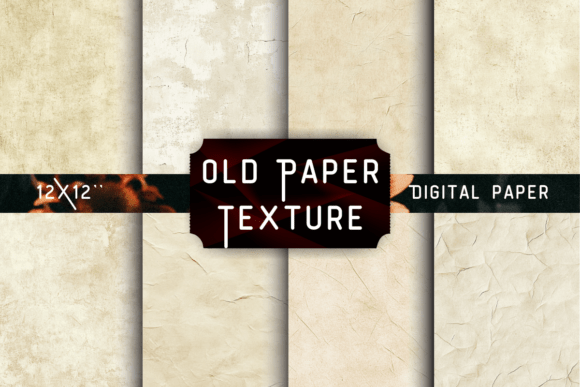
There's a particular quality to old paper that digital design often misses. It's not just about a color; it's about the history embedded in the fibers, the subtle stains from time and use, the soft, uneven edges that tell a story. This Old Paper Texture digital paper pack aims to capture that exact feeling, providing designers, crafters, and entrepreneurs with a foundation of authentic, timeworn character for their projects.
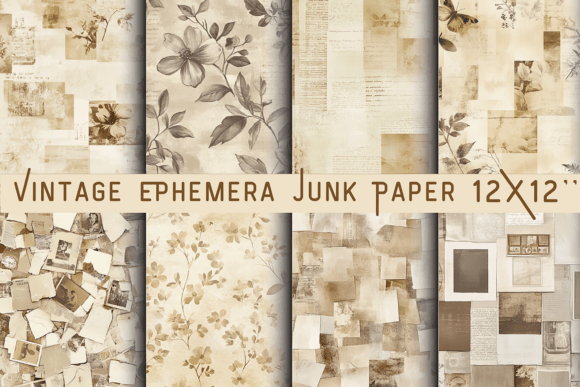
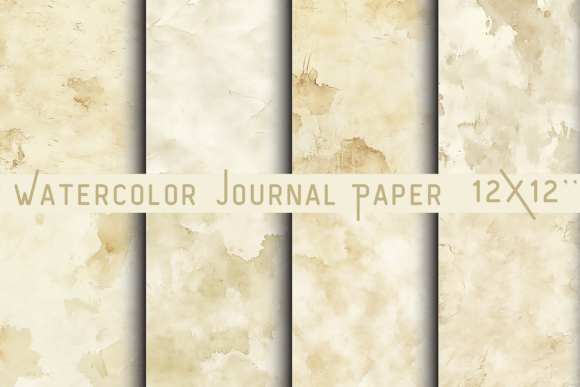
More than just a simple filter, this collection is built on realism. Each of the 12 designs features nuanced details like faint foxing, delicate creases, and the warm, uneven discoloration of aged parchment. The color palette is intentionally restrained—think warm sepia tones, soft beige, and distressed neutrals—making it a versatile design asset that complements rather than competes with your content. Delivered as high-resolution, 12"x12" PNG files at 300 DPI, the quality is built for both crisp digital displays and tangible, printed projects.
Where Vintage Character Truly Shines
The applications for a quality old paper texture extend far beyond scrapbooking, though it excels there. For anyone building a brand with a story, this texture can become a foundational element of your brand identity. Imagine a boutique coffee roaster using it as the background for their packaging design, or a heritage clothing label incorporating it into their lookbooks. It instantly communicates craftsmanship, tradition, and a tactile quality.
In publishing and editorial design, these backgrounds are invaluable. Authors creating historical fiction or fantasy novels can use them for chapter title pages or promotional graphics. Bloggers and content creators in niches like history, travel, or vintage fashion can craft unique social media graphics, newsletter headers, and website banners that stand out. The texture adds depth and a sense of place, transforming flat digital layouts into something more engaging and memorable.
For personal projects, the potential is equally rich. Junk journalers will find the distressed edges and grunge stains perfect for creating layered, mixed-media compositions. Calligraphy practitioners can use these pages as a realistic backdrop for their lettering practice, simulating the feel of writing on antique manuscripts. Wedding invitations, event programs, and menu designs for themed parties gain an immediate sense of elegance and history when built upon this vintage parchment texture.
Integrating Texture into Your Design Workflow
Using a textured background effectively requires a thoughtful approach. The goal is to use the aged paper printable to enhance your message, not obscure it. Start by considering your primary content. If you're overlaying text, ensure there's sufficient contrast. The warm, mid-tone neutrals in this pack work well with dark charcoal or deep brown typefaces, and surprisingly well with crisp white for a more dramatic effect.
This is where thoughtful font pairing becomes crucial. A classic serif font like Garamond or Baskerville can harmonize beautifully with the old-world feel, reinforcing a traditional aesthetic. For a more contemporary contrast, pairing the texture with a clean, geometric sans serif font creates a striking balance between old and new, making the design feel fresh and intentional. Avoid overly ornate or hard-to-read script fonts for body copy, as the texture can compound readability issues.
Think about composition and layering. You might use the full 12"x12" sheet as a background, or you could use a clipping mask in software like Photoshop or Canva to apply the texture to specific shapes, text blocks, or image borders. Consider using multiple textures from the pack in a single project—perhaps one for the main background and another, with a different stain pattern, for a sidebar or graphic element—to create visual interest without losing cohesion.
Choosing and Using Your Digital Paper Pack
When evaluating a resource like this, look beyond the preview images. Consider the file specifications. The 300 DPI resolution and substantial pixel dimensions (3600x3600) of this pack ensure that the grunge paper texture remains sharp and detailed even when printed at a large scale, which is non-negotiable for professional print work like posters, album covers, or commercial invitations.
The opaque, non-transparent nature of the files is a practical advantage. It means you can place them directly into your layout without worrying about underlying layers showing through in unintended ways, simplifying the design process. The individual file sizes (8-18 MB) are a direct result of this high quality and detail, so ensure your storage and workflow can accommodate them.
Finally, always be mindful of licensing for commercial use. A clear, permissive license is what separates a personal hobby project from a professional asset. This allows you to confidently use the antique scrapbook background in client work, products for sale, and marketing materials, making it a true investment in your creative toolkit.
Ultimately, this Old Paper Texture pack is more than just a collection of images. It's a bridge to the past, a tool for adding narrative depth, and a means to create designs that feel both authentic and resonant. By understanding its strengths and applying it with intention, you can elevate your projects from simply visual to genuinely evocative.